

Goiter: Understanding the Causes, Symptoms, and Medical Perspectives
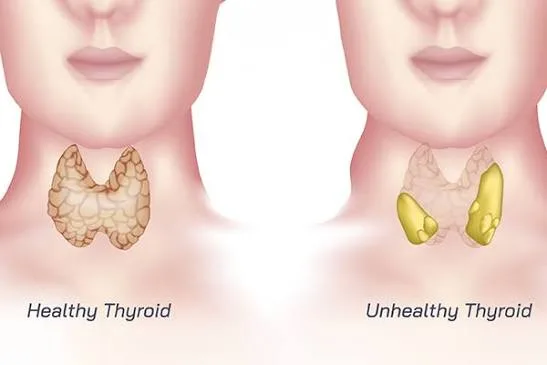
The thyroid gland, a small, butterfly-shaped organ located at the base of your neck just below the Adam's apple, plays a crucial role in regulating numerous metabolic processes in the human body. It produces hormones that control heart rate, blood pressure, body temperature, and weight. When this gland grows abnormally large, the condition is clinically referred to as a goiter. While the presence of a goiter indicates an anatomical change in the thyroid, it does not necessarily mean the gland is malfunctioning. A goiter can occur in a gland that is producing too much hormone (hyperthyroidism), too little hormone (hypothyroidism), or the correct amount of hormone (euthyroidism).
Understanding the precise symptoms, underlying causes, and diagnostic pathways of a goiter is essential for maintaining overall health and seeking timely medical evaluation.
Recognizing the Symptoms of a Goiter
The manifestation of goiter symptoms depends largely on the size of the enlarged gland and whether the thyroid is overproducing or underproducing hormones. In many cases, small goiters do not cause any noticeable symptoms and are only discovered during a routine physical examination or an imaging test conducted for another medical reason.
When symptoms do occur, they are generally divided into two categories: structural symptoms caused by the physical size of the gland pressing on surrounding tissues, and hormonal symptoms related to thyroid dysfunction.
Structural and Compressive Symptoms
As the thyroid gland expands, it can exert physical pressure on the trachea (windpipe) and esophagus (swallowing tube). This compression leads to a specific set of physical signs:
A visible swelling at the base of the neck, which can be particularly obvious when shaving or applying makeup.
A tight feeling in the throat, often described as a sensation of having something stuck in the airway.
Coughing, which is typically dry and persistent.
Hoarseness or a change in voice quality due to pressure on the recurrent laryngeal nerve.
Difficulty swallowing (dysphagia), especially solid foods.
Difficulty breathing (dyspnea), particularly when lying flat on the back or during physical exertion.
Hormonal Symptoms
If the goiter is a result of an underlying thyroid disorder, patients may experience systemic symptoms. In the case of an overactive thyroid (hyperthyroidism), symptoms may include unexplained weight loss, rapid heartbeat (tachycardia), increased sweating, anxiety, tremors, and heat intolerance. Conversely, an underactive thyroid (hypothyroidism) might present with fatigue, unexplained weight gain, constipation, dry skin, depressive moods, and an increased sensitivity to cold environments.
Primary Causes of Thyroid Enlargement
The development of a goiter is not a single disease but rather a physical sign of various possible underlying conditions affecting the thyroid gland. The most prevalent causes worldwide include:
1. Iodine Deficiency
Iodine is a trace element found in seawater and in the soil of coastal areas. It is an absolute necessity for the production of thyroid hormones. In regions of the world where dietary iodine is scarce, the thyroid gland enlarges in a continuous effort to trap as much iodine as possible from the bloodstream to meet the body's hormonal demands. While widespread use of iodized salt has made this cause rare in many developed nations, it remains a primary cause of goiter globally.
2. Hashimoto's Disease
This is an autoimmune disorder in which the body's immune system mistakenly attacks its own thyroid tissue. This ongoing autoimmune attack causes inflammation and gradual destruction of the gland, leading to a drop in thyroid hormone production (hypothyroidism). Recognizing this deficit, the pituitary gland in the brain releases more Thyroid Stimulating Hormone (TSH) to force the thyroid to work harder, which subsequently causes the gland to enlarge.
3. Graves' Disease
Another autoimmune condition, Graves' disease, operates in the opposite manner of Hashimoto's. The immune system produces a protein called thyroid-stimulating immunoglobulin (TSI) that mimics TSH. This false signal commands the thyroid gland to grow and overproduce thyroid hormones, resulting in both hyperthyroidism and a diffuse goiter.
4. Multinodular Goiter and Solitary Thyroid Nodules
In some individuals, solid or fluid-filled lumps called nodules develop within both sides of the thyroid gland, resulting in an overall enlargement known as a multinodular goiter. Alternatively, a single nodule may develop on one part of the gland. Most of these nodules are non-cancerous (benign) and their exact cause is often unknown, though genetics and age play a role.
5. Thyroiditis
Thyroiditis refers to an inflammation of the thyroid gland. This condition can be caused by viral infections, autoimmune processes, or certain medications. The inflammation can cause swelling in the gland and may result in temporary hyperthyroidism followed by hypothyroidism.
6. Physiological Changes
During specific life phases that require higher metabolic output—such as puberty, pregnancy, and menopause—the thyroid gland may naturally enlarge slightly. The hormone human chorionic gonadotropin (HCG), produced during pregnancy, can also cause mild thyroid enlargement.
Risk Factors for Developing a Goiter
While anyone can develop a goiter, certain factors increase the likelihood:
Gender and Age: Women are significantly more prone to thyroid disorders and goiters than men. The risk also increases steadily after the age of 40.
Medical History: A personal or family history of autoimmune diseases dramatically increases the risk.
Medications: Certain medical treatments, including immunosuppressants, antiretrovirals, and heart medications like amiodarone, can impact thyroid function.
Radiation Exposure: A history of radiation treatments to the neck or chest area elevates the risk of both goiter and thyroid nodules.
The Diagnostic Process
Proper evaluation of a goiter requires a systematic clinical approach by an endocrinologist or a specialized physician. The diagnostic process begins with a comprehensive physical examination where the doctor palpates the neck to assess the size, consistency, and mobility of the thyroid gland.
To determine the underlying cause and the precise functional status of the gland, several tests are typically ordered:
Blood Tests: These are used to measure the levels of TSH, free T3, and free T4 in the blood, indicating whether the gland is overactive, underactive, or normal. Antibody tests may also be conducted to check for autoimmune conditions like Hashimoto's or Graves' disease.
Ultrasonography: A thyroid ultrasound uses sound waves to create a detailed map of the gland. It reveals the exact size of the goiter and detects the presence, size, and characteristics of any nodules.
Fine-Needle Aspiration Biopsy: If ultrasound reveals suspicious nodules, a very thin needle is used to extract tissue or fluid samples for microscopic evaluation to rule out malignancy.
Healthcare Information and Warning
This article has been prepared in strict accordance with the "Regulation on Promotion and Information Activities in Health Services" (Sağlık Hizmetlerinde Tanıtım ve Bilgilendirme Faaliyetleri Hakkında Yönetmelik) solely for the purpose of public awareness and general health information.
The content provided herein does not constitute a medical diagnosis, a definitive treatment promise, a guaranteed health outcome, or a substitute for professional medical consultation. Thyroid diseases and goiter development are highly complex conditions influenced by individual genetics, lifestyle, and environmental factors. The diagnostic methods and clinical manifestations discussed in this article vary significantly from patient to patient. Under no circumstances should individuals attempt to self-diagnose or initiate self-treatment based on general internet resources. For the accurate diagnosis of any thyroid-related concern and the determination of an appropriate, safe, and personalized treatment plan, it is imperative to consult a licensed healthcare facility and be physically examined by a specialized physician.