

Meta Başlık: Hernia Surgery Guide: Modern Treatments, Recovery & Options Meta Açıklama: Are you facing hernia surgery? Discover the latest 2026 treatment options, from laparoscopic to robotic repairs, and learn exactly how to ensure a fast recovery. Odak Anahtar Kelime: Hernia surgery
Hernia Surgery: A Comprehensive Guide to Modern Treatments and a Fast Recovery
Hearing that you need surgery can be an intimidating experience. If you have been diagnosed with a hernia, you likely have a dozen questions running through your mind. Will the pain go away? How long will I be out of work? Is the surgery dangerous?
The most important thing to understand right now is that you are not alone, and hernias do not heal themselves. Over time, the physical defect in your muscle wall will only widen, making the eventual repair more complex. Fortunately, thanks to rapid advancements in medical technology, hernia surgery today is one of the most routine, safe, and highly effective procedures performed worldwide.
Whether you are scheduled for a traditional open procedure or a cutting-edge robotic-assisted repair, this comprehensive guide will walk you through everything you need to know about hernia surgery in 2026. From understanding your specific diagnosis to navigating the recovery process, we have you covered.
What Exactly is a Hernia?
To understand the surgery, you first need to understand the mechanics of the problem. Think of your abdominal wall as a thick, sturdy tire holding in an inner tube. If the outer tire develops a weak spot or a tear, the inner tube will start to bulge through that gap under pressure.
In your body, the "tire" is your muscle wall, and the "inner tube" is usually a piece of your intestine or fatty tissue. When a gap forms in the muscle fascia, the internal organs push through, creating a visible bulge beneath your skin. This bulge is a hernia.
Because this is a mechanical structural failure—a literal hole in the muscle—no amount of physical therapy, dieting, or medication can close it. The only permanent, definitive treatment is hernia surgery to push the tissue back into place and physically patch the hole.
The Most Common Types of Hernias
Not all hernias are created equal. The type of hernia surgery you undergo will depend heavily on where the defect is located.
Inguinal Hernia (Groin)
This is by far the most common type, accounting for nearly 75% of all hernia diagnoses. It occurs in the groin area when tissue pushes through the inguinal canal. While it can affect anyone, men are significantly more likely to develop inguinal hernias due to the natural anatomy of the male reproductive system.
Umbilical Hernia (Belly Button)
Umbilical hernias occur when fat or fluid pushes through a weak spot in the abdomen near the navel. While very common in newborns (and often resolving on their own in infants), adults who develop umbilical hernias due to obesity, heavy lifting, or multiple pregnancies will require surgery to fix the defect.
Incisional Hernia (Past Surgery Sites)
Any time a surgeon makes an incision in your abdominal wall, that specific area becomes structurally weaker than the surrounding natural tissue. An incisional hernia happens when tissue pushes through a past surgical scar. These often require specialized hernia surgery with strong mesh reinforcement.
Hiatal Hernia (Upper Stomach)
Unlike the others, a hiatal hernia does not cause a visible bulge on the outside of your body. Instead, it occurs internally when the upper part of your stomach pushes up through your diaphragm and into your chest cavity. This type often causes severe acid reflux (GERD) and requires a specific surgical approach to pull the stomach back down.
Hernia Surgery Options: How Will They Fix It?
In 2026, surgeons have three primary methods for repairing a hernia. The right choice depends on the size of the hernia, your medical history, and your surgeon's specific expertise.
1. Traditional Open Hernia Surgery
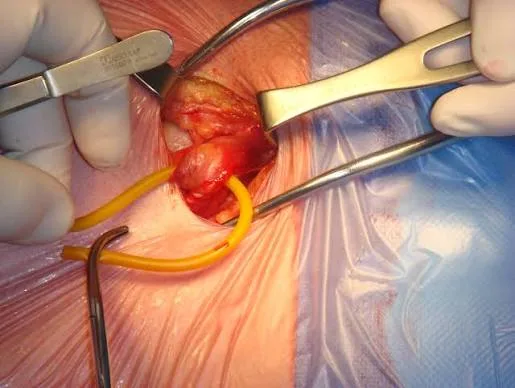
During open surgery, the surgeon makes a single, larger incision directly over the hernia site. They manually push the protruding tissue back into the abdomen, sew the muscle wall shut, and typically reinforce the area with a surgical mesh.
When it is used: Open surgery remains the gold standard for massive hernias, highly complex incisional hernias, or emergency situations where the intestine has become trapped (strangulated).
2. Laparoscopic Hernia Repair
This is a minimally invasive approach. Instead of one large cut, the surgeon makes three to four tiny incisions (about the size of a keyhole) around the abdomen. Carbon dioxide gas is used to inflate the belly, providing room to work. The surgeon then inserts a laparoscope—a thin tube with a high-definition camera—and long, specialized instruments to repair the hernia from the inside out.
The Benefits: Laparoscopic hernia surgery results in significantly less postoperative pain, virtually invisible scarring, and a much faster return to normal daily activities.
3. Robotic-Assisted Hernia Surgery
Representing the pinnacle of modern surgical tech, robotic surgery operates on the same minimally invasive principles as laparoscopy. However, instead of holding the instruments directly, the surgeon sits at a 3D console. The robotic arms translate the surgeon's exact hand movements into highly precise, tremor-free micro-movements inside the body.
The Benefits: The 3D magnification allows for unparalleled precision, especially when navigating delicate nerves in the groin or repairing complex abdominal wall defects.
The Role of Surgical Mesh: Is It Safe?
If you have spent time researching hernia surgery online, you have likely come across advertisements regarding "mesh lawsuits." It is completely natural to feel anxious about having a foreign material placed inside your body. However, context is crucial here.
Surgical mesh is a sterile, woven material that acts like a scaffold. Without mesh, surgeons must pull the torn muscle edges tightly together and stitch them under immense tension. Every time you cough, laugh, or stand up, that tension threatens to rip the stitches apart.
When a surgeon uses mesh, they patch the hole without tension. Over the following weeks, your body’s natural tissue grows directly into the pores of the mesh, creating a permanent, reinforced wall. Using mesh reduces the chance of the hernia returning from roughly 15% down to less than 2%.
The legal issues of the past largely involved specific, outdated types of mesh or mesh used improperly for pelvic organ prolapse—not standard abdominal hernias. Today’s hernia meshes are incredibly advanced, lightweight, and rigorously tested for absolute biocompatibility.
Preparing for Your Hernia Surgery
A successful outcome begins long before you arrive at the hospital. Taking proactive steps in the weeks leading up to your operation will dramatically improve your recovery.
Stop Smoking Immediately: Nicotine constricts blood vessels, drastically reducing the oxygen flow to your tissues. Smoking significantly increases the risk of surgical site infections and hernia recurrence.
Adjust Your Medications: Inform your surgeon about every supplement, vitamin, and medication you take. You will likely need to pause blood thinners, aspirin, and certain anti-inflammatory drugs a week before surgery to prevent excess bleeding.
Optimize Your Diet: Start eating a high-fiber diet a few weeks prior. Constipation is the absolute enemy of hernia recovery, as straining on the toilet puts immense pressure on your new repair.
Prepare Your Recovery Space: Set up a comfortable resting area at home. Place essential items like your phone charger, remote control, water bottles, and books at waist height so you do not have to bend down or reach up during your first few days home.
The Hernia Surgery Recovery Timeline
Knowing what to expect during recovery relieves anxiety and helps you track your progress. While everyone heals at their own pace, a standard laparoscopic or robotic recovery follows a predictable timeline.
The First 48 Hours: Rest and Protect
You will likely go home the very same day as your surgery. During the first two days, you will feel sore, fatigued, and bloated. The bloating is entirely normal; it is the lingering effect of the gas used to inflate your abdomen during a laparoscopic procedure.
Action plan: Take your prescribed pain medication on a strict schedule. Do not wait for the pain to become severe before taking a pill. Use an ice pack over the dressing for 15 minutes at a time to reduce swelling.
Weeks 1 to 2: Getting Back on Your Feet
By the end of the first week, the sharp surgical pain will transition into a dull ache. You should be walking around your house frequently. Walking prevents blood clots and helps wake up your digestive system.
Action plan: You can likely return to a desk job or remote work by day 5 or 7. However, you must absolutely avoid lifting anything heavier than a gallon of milk (about 10 pounds). Continue to prioritize a high-fiber diet and drink plenty of water.
Weeks 3 to 6: Returning to Normalcy
During this phase, you will feel mostly like yourself again. The incisions will heal into small, faded scars. You can resume light cardiovascular exercises, such as brisk walking or stationary cycling.
Action plan: While you feel great, remember that the internal mesh is still integrating with your tissue. Do not rush back to the gym to lift heavy weights, and avoid intense core exercises (like sit-ups or planks) until your surgeon officially clears you at your 4-week or 6-week follow-up appointment.
How to Prevent a Hernia From Returning
A successful hernia surgery fixes the immediate defect, but protecting that investment requires a few lifelong lifestyle adjustments.
Master the Art of Lifting: Never lift a heavy object by bending at the waist. Always bend your knees, keep your back straight, and let your powerful leg muscles do the work. Engage your core before you lift to protect the abdominal wall.
Maintain a Healthy Weight: Excess abdominal fat places constant, 24/7 outward pressure on your abdominal muscles. Staying within a healthy BMI dramatically lowers your risk of recurrence.
Treat Chronic Coughs: If you suffer from severe seasonal allergies, asthma, or a smoker’s cough, seek medical treatment. Violent, repetitive coughing places extreme stress on the groin and abdominal fascia.
Avoid Straining in the Bathroom: Chronic constipation is a silent cause of many hernias. Keep your digestion smooth by eating plenty of leafy greens, whole grains, and staying highly hydrated.
When to Contact Your Surgeon
While complications from modern hernia surgery are exceptionally rare, you must listen to your body. Call your surgical team immediately if you experience any of the following warning signs:
A fever exceeding 101°F (38.3°C).
Incisions that become suddenly red, hot to the touch, or begin draining foul-smelling fluid.
Pain that abruptly worsens and is not relieved by your prescribed medication.
Complete inability to urinate or have a bowel movement for several days.
Persistent nausea or vomiting that prevents you from keeping fluids down.
Taking the Next Step
Ignoring a hernia will not make it disappear. In fact, delaying treatment only increases the risk of the intestine becoming trapped—a dangerous condition known as strangulation that requires immediate emergency surgery.
By addressing the issue proactively, you have the luxury of choosing your surgeon, choosing the optimal time for your procedure, and taking advantage of minimally invasive techniques. Hernia surgery in 2026 is a streamlined, highly refined process designed to get you back to your pain-free, active life as quickly as possible.
Take a deep breath, consult with a board-certified general surgeon, and take the first step toward repairing your body. You will be amazed at how much better you feel once the structural integrity of your core is finally restored.